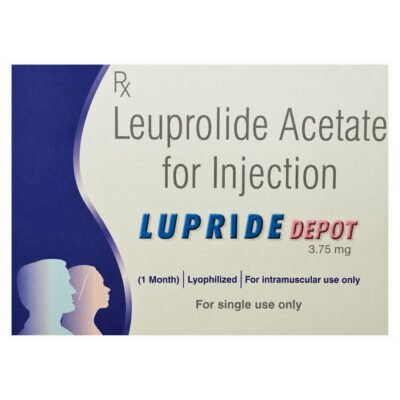
Leuprolide Acetate 3.75mg Injection
Injection · 1 Injection per Pack
$121.00per pack
See your addresses and product availability.
Not listed?
 16% Off
Injection · 1 Vial per Pack
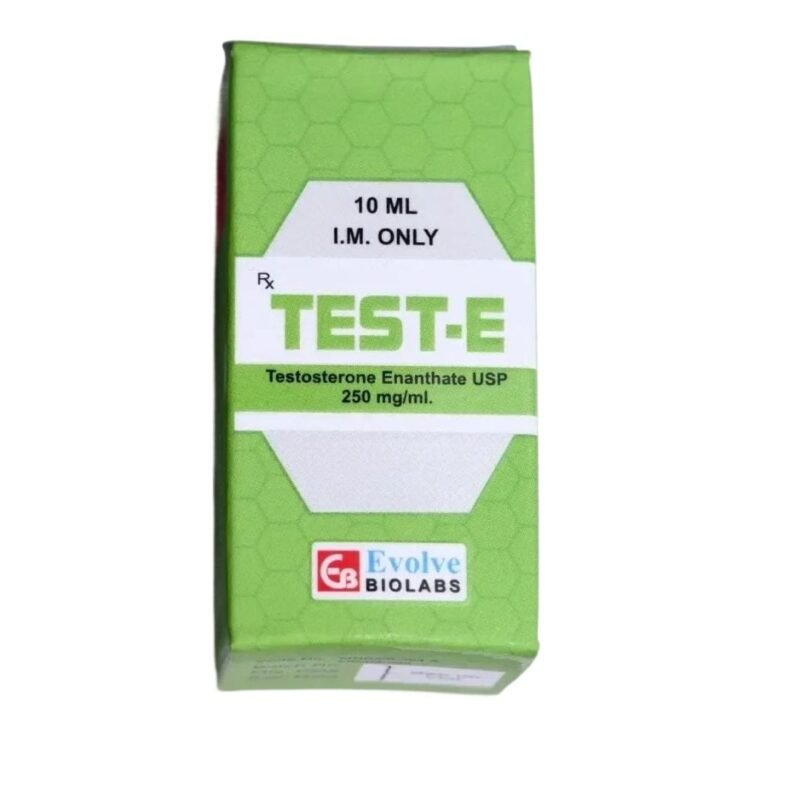
Test E 250mg 10ml Injection represents the absolute gold standard in extended-release androgen replacement. Infused with a slow-acting enanthate ester chain, the active hormone is designed to slowly diffuse from the intramuscular injection site, providing a smooth, optimized therapeutic window that eliminates the frustrating ups and downs of daily medications.
Sustained Pharmacokinetic Curve: The 7-carbon enanthate ester extends the biological half-life of testosterone to approximately 4.5 to 5 days. Once injected deep into the muscle tissue, cellular esterases steadily decouple the ester, releasing pure bioidentical testosterone into your systemic circulation to keep your baseline levels steady.
Multi-Dose Efficiency & Integrity: Packed in an airtight, puncture-resistant 10mL glass vial with a premium self-sealing rubber stopper, this format allows for highly customizable micro-dosing. Patients can easily split their weekly or bi-weekly requirements to mitigate horizontal spikes and sudden troughs.
Clinical Hypogonadism: Reverses structural testosterone deficiencies due to primary testicular failure or secondary pituitary-hypothalamic disorders.
Androgen Deficit Rebalancing: Resolves complex symptoms of systemic low testosterone, including lean muscle wasting, reduced bone mineral density, and persistent brain fog.
Sexual Vitality Restoration: Rapidly treats androgen-linked erectile dysfunction, low sperm count, and diminished sexual stamina.
Premium Healthcare Distribution: Extensively supplied to anti-aging facilities, medical clinics, and specialized urology centers across the USA, UK, and UAE.
Cost-Effective 10mL Value Format: Provides a comprehensive 2,500mg total active hormone pool per vial, significantly lowering the per-dose cost compared to single-use glass ampoules.
Adaptive Dosing Flexibility: The multi-dose vial format enables patients to pull exact required volumes (such as 0.5mL for 125mg or 0.4mL for 100mg) using fine-gauge syringes without wasting medication.
Reduced Injection Frequency: Ensures long-lasting relief from low-T symptoms, requiring administration only once every 7 to 14 days under standard medical guidelines.
High Metabolic Bioavailability: Completely bypasses the destructive first-pass hepatic metabolism common with oral treatments, thoroughly protecting liver health.
Because withdrawing from a multi-dose vial requires proper pressure management to keep the fluid moving smoothly, following a clean, methodical protocol is essential.
Estrogenic Conversions: Exogenous testosterone can convert into estradiol via the aromatase enzyme, potentially causing fluid retention, mild gynecomastia, or sudden mood changes if levels fluctuate wildly.
Androgenic Responses: Sensitive individuals may experience increased sebum production leading to oily skin, male pattern baldness acceleration, or increased body hair.
Cardiovascular Safety: Prolonged high doses can raise hematocrit (red blood cell concentration), which alters blood viscosity. Periodic CBC (Complete Blood Count) labs are highly recommended.
| Laboratory Marker | Ideal Therapeutic Range | Assessment Window | Primary Clinical Objective |
| Total Testosterone | 500 – 900 ng/dL | Peak and Trough cycles | Verifies optimal dosing while preventing dangerous supra-physiological accumulation. |
| Hematocrit (Hct) | Below 50% | Every 3 to 6 months | Controls blood thickness to completely mitigate cardiovascular and clotting risks. |
| Estradiol (E2) | 20 – 40 pg/mL | Mid-cycle screen | Guides the necessity or dosing of supplementary aromatase inhibitors (AIs). |
| PSA (Prostate Metric) | Stable baseline bounds | Annual evaluation | Monitors prostatic health markers closely in men over 40 years of age. |
Seven days a week, 8 am – 11 pm IST
Message received. A pharmacist will call the number on your account shortly.
Prefer to call? +91 99116 61996 WhatsApp a pharmacist